

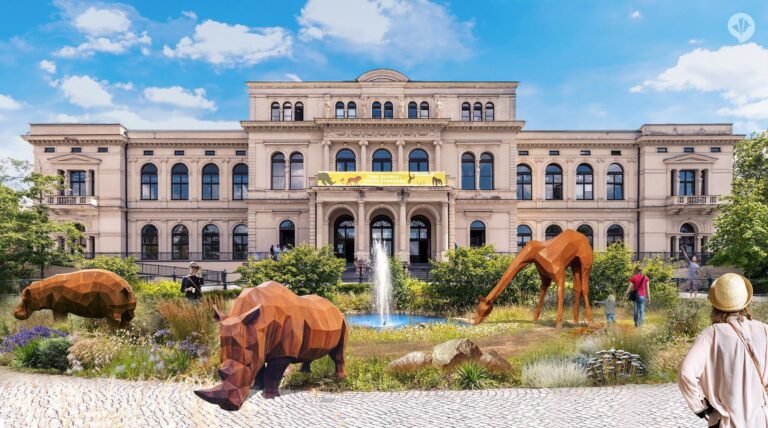

Visiting the zoo is more than just a trip; it’s an immersive experience that ignites curiosity and fosters a deeper recognition for wildlife. For many, a day at the zoo isn’t just about observing animals in captivity—it’s a journey that encompasses learning, joy, and wonder. as children (and adults alike) gaze at majestic lions, playful monkey antics, and the intricate beauty of exotic birds, each encounter presents a unique opportunity to understand the diversity of our planet’s fauna.
Reading comprehension activities centered around such outings can transform a simple visit into a rich educational endeavor. By engaging with texts that highlight the animals’ behaviors,habitats,and conservation status,readers can grasp vital concepts about biodiversity and environmental responsibility. In this article, we explore how a trip to the zoo can inspire literacy and knowledge, creating vivid connections between immersive experiences and the pages of a book. Whether you’re a teacher, parent, or curious learner, this guide will highlight how to maximize understanding and enjoyment in the context of a fun-filled day at the zoo. Join us as we embark on this enlightening adventure!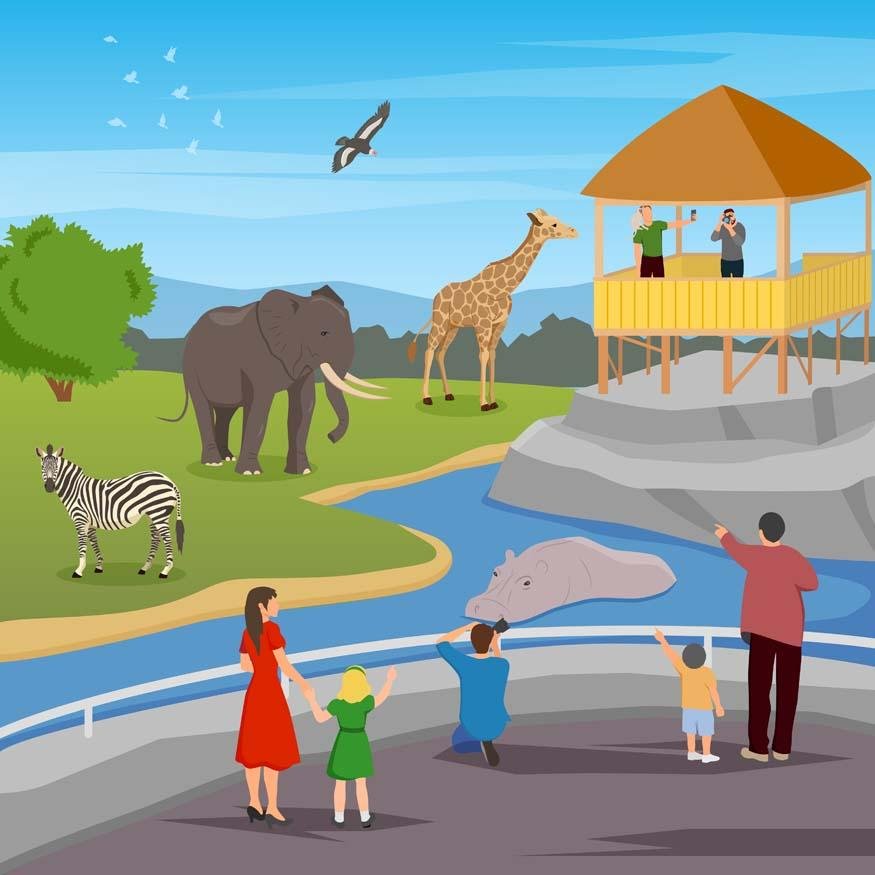
Heading 1: Enhancing Literacy Skills Through a Visit to the Zoo
Exploring the wonders of a zoo can ignite a child’s curiosity and dramatically enhance their literacy skills. Engaging with the diverse animal exhibits allows young visitors to practice reading and comprehension in a fun and dynamic habitat. Through guided tours, educational signs, and interactive displays, children are exposed to new vocabulary and concepts, fostering a love for reading. This immersive experience can be further enhanced by:
- Storytime sessions: Many zoos host storytelling events that introduce animal-themed tales, encouraging children to follow along and engage with the narrative.
- Activity sheets: Printable worksheets available at the entrance or online can guide children in reading comprehension through fun games and facts about the animals they encounter.
- Keeper talks: Scheduled presentations by zookeepers present an excellent opportunity for children to listen, ask questions, and learn specific zoological terms and animal behaviors.
As children journey through the zoo, they absorb details about habitats, diets, and conservation efforts, which can spark discussions about the natural world.By turning such outings into a learning adventure, caregivers can reinforce the connection between literacy and real-life experiences. The vibrant visual and auditory stimulation paired with text helps solidify understanding and retention of new information. At Gezify, we encourage parents to use these outings as a dual-purpose adventure—combining family fun with educational growth. where best to foster such experiences than among the beloved species of the animal kingdom?
| Animal | Habitat | Diet |
|---|---|---|
| Lion | Savannah | Carnivore |
| Elephant | Forests | Herbivore |
| Penguin | Antarctic | carnivore |
Incorporating zoo visits into literacy development is a brilliant way to inspire curiosity, making reading an adventure, and ensuring that children form lasting memories. Experiencing the natural world firsthand, while tackling reading comprehension, transforms learning into an enjoyable journey that resonates long after leaving the gates of the zoo.
Heading 2: Tips for Making the Most of Your Zoo Reading Comprehension Experience
To truly enrich your experience at the zoo and enhance your reading comprehension, consider these engaging strategies that can make your visit both educational and enjoyable. Start by reading the informational plaques beside each exhibit; they often contain captivating facts that can give you context about the animals. Additionally, try to discuss the information with a friend or family member; talking about what you’ve learned can help solidify your understanding. Engaging your senses is also vital: observe the animals’ behaviors and interactions while taking notes on what you see. Here are some other helpful tips:
- Take a Guided Tour: Consider joining a guided tour to gain insight from knowledgeable staff and discover lesser-known facts.
- participate in Animal Encounters: Look for opportunities to engage directly with animals,as this unique experience can deepen your understanding.
- Use a Notebook: jot down interesting facts and personal observations; this will prompt you to reflect on your experiences later.
- Engage with Interactive Exhibits: Many zoos have interactive areas that can enhance both your learning and enjoyment.
By questioning the information you read and discussing it with fellow visitors, you can create a dynamic and informative experience. To further guide your zoo journey, here’s a simple breakdown:
| Activity | Outcome |
|---|---|
| Reading Animal Plaques | Enhanced Knowledge |
| group Discussions | Deeper Understanding |
| Taking Notes | Improved Retention |
| Interactive Learning | Increased Engagement |
By integrating these methods into your visit, you’re not just observing animals; you’re building a comprehensive understanding that resonates long after you leave. This will not only enhance your experience at the zoo but also enrich your reading comprehension skills,making it a delightful adventure that aligns beautifully with the mission of Gezify.
visiting the zoo offers a rich tapestry of experiences that captivate both the young and the young at heart. As families and friends navigate pathways filled with exotic animals and engaging exhibits, they not only enhance their reading comprehension skills but also foster a deeper appreciation for wildlife and conservation. Whether it’s the laughter of children at a playful monkey or the awe inspired by a majestic lion, a trip to the zoo creates lasting memories and valuable lessons.Embrace these moments and encourage a love for learning through the wonders of nature.