

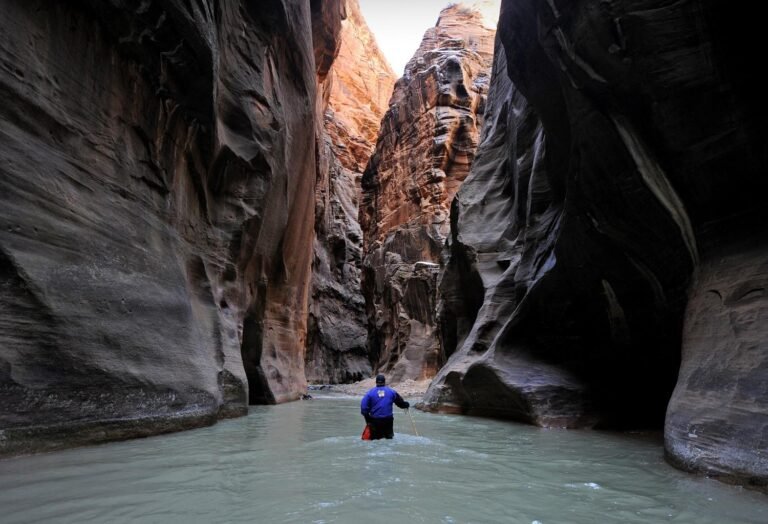

Zion National Park, with its stunning red rock formations, winding canyons, and rich biodiversity, is a destination that captivates adventurers and nature lovers alike. however, choosing the best time to visit this breathtaking landscape can significantly enhance yoru experience, allowing you to fully appreciate its beauty while avoiding the crowds. With its diverse climate and distinct seasonal characteristics, each time of year offers a unique prospect to explore the park’s trails and vistas. From the vibrant wildflowers of spring to the serene snow-dusted peaks of winter, the rhythms of nature create a tapestry of experiences that cater to different preferences and activities. In this article,we’ll delve into the seasonal insights that can help you plan your visit,ensuring that your adventure in Zion is not only memorable but also tailored to your desires.Weather you’re seeking to hike the legendary Angels Landing or simply take in the tranquil beauty of the canyon from the comfort of your car, understanding the nuances of each season will guide you in making the most of your time in this stunning corner of Utah.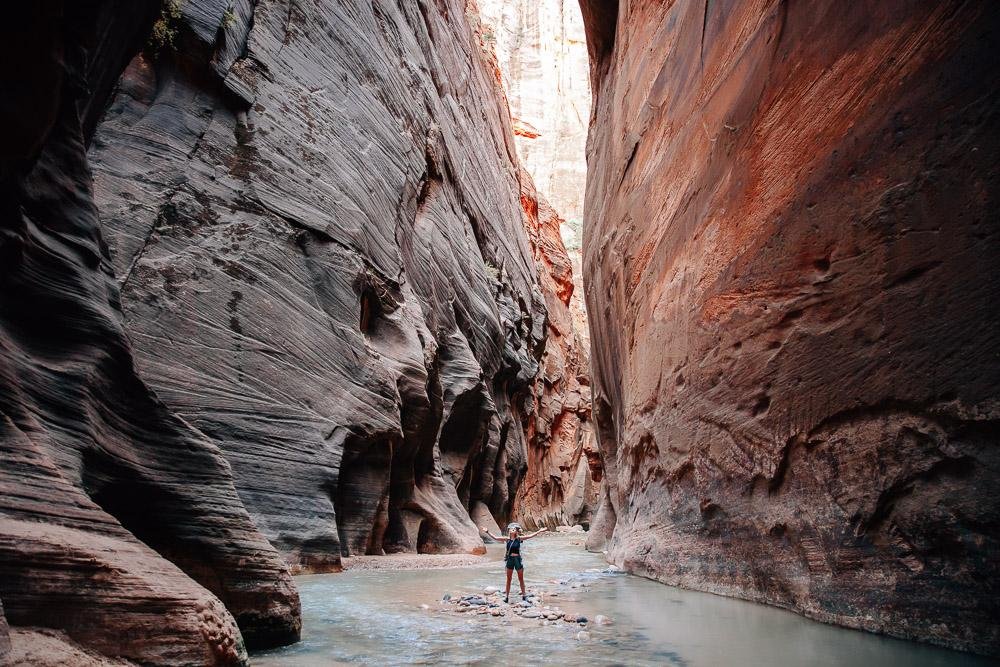
– Ideal seasons for Visiting zion National Park
when planning your adventure to Zion National Park, understanding the seasonal variations can greatly enhance your experience. Spring (March to May) is particularly enchanting, as wildflowers bloom and waterfalls are at their most vigorous, making hikes like the Angels Landing a breathtaking journey. This season typically offers mild temperatures, perfect for outdoor enthusiasts, though it is indeed best to arrive early in the day to avoid crowds. In summer (June to August), Zion becomes a bustling hub of activity, with full access to trails and stunning vistas. However,be prepared for soaring temperatures,often exceeding 100°F,necessitating plenty of water and morning hikes to enjoy the cooler hours. as the summer heat fades into autumn (September to November), visitors are treated to the added spectacle of fall foliage, particularly around the Virgin river. The weather is generally crisp, making it an ideal time for photography and pleasant hikes without the summer crowds. winter (December to February) offers a unique outlook, transforming the park into a serene, less crowded sanctuary. While some trails may close due to snow, the chill gives way to stark, yet haunting beauty amidst the red cliffs, providing a perfect photo opportunity as the contrast becomes breathtaking. When planning your visit, consider the advantages of each season to make the most of your exploration in Zion’s majestic landscape.
| Season | Highlights | Considerations |
|---|---|---|
| Spring | Wildflowers, vibrant wildlife | Milder temperatures, typically busy |
| Summer | All trails open, popular activities | High temperatures, crowded |
| Autumn | Fall colors, fewer crowds | Crisp weather, shorter days |
| Winter | Snowy landscapes, tranquility | Some trails closed, cold temperatures |
– Tailoring Your Visit: A Seasonal Guide to Exploring Zion Utah
when planning your adventure to Zion National Park, understanding the seasonal variations can greatly enhance your experience. Each season offers its unique charm, inviting you to explore the park in different ways:
- Spring (March to May): A time of vibrant blooms and milder temperatures, spring is perfect for hiking popular trails like Angels Landing and the Emerald Pools. Expect picturesque landscapes as nature awakens.
- Summer (June to August): Warm weather calls for early morning excursions to avoid the heat. The park’s stunning vistas attract visitors, so it’s ideal for those looking for vibrant scenery and opportunities for swimming in the Virgin River.
- Fall (September to november): With temperatures cooling and leaves changing color, fall provides a magical backdrop for photographers. Hiking becomes most pleasurable as crowds thin, particularly in mid-October when fall foliage peaks.
- Winter (December to February): A quieter season, winter transforms Zion into a serene wonderland. snow-dusted cliffs and minimal foot traffic mean solitude and reflection.here, you can enjoy activities like snowshoeing and photography.
To further assist with your journey, here’s a table highlighting key elements of each season:
| Season | Temperature Range (°F) | Activities | What to Expect |
|---|---|---|---|
| Spring | 50-75 | Hiking, Photography | Blooming wildflowers, mild weather |
| Summer | 70-100 | Swimming, Rafting | Crowded trails, hot temperatures |
| Fall | 50-85 | Hiking, Leaf-Peeping | Colorful foliage, cool breezes |
| Winter | 30-60 | Snowshoeing, Photography | Snowy landscapes, quiet trails |
Whichever season you choose, make sure to check the weather conditions and park alerts ahead of your visit.tailoring your trip to the nuances of each season will not only enrich your experience in the breathtaking landscapes of zion but will also allow you to engage fully with the natural beauty that captivates many who share their experiences on Gezify.
choosing the best time to visit Zion National Park depends on your personal preferences and the experiences you seek. Whether you’re drawn to the vibrant colors of autumn, the serene beauty of winter, or the bustling energy of summer, each season offers a unique perspective on this natural wonder. By planning your visit thoughtfully,you can fully immerse yourself in the breathtaking landscapes and diverse activities that Zion has to offer. We hope this guide helps you make the most of your journey and discover the magic of Zion throughout the year. Safe travels!