

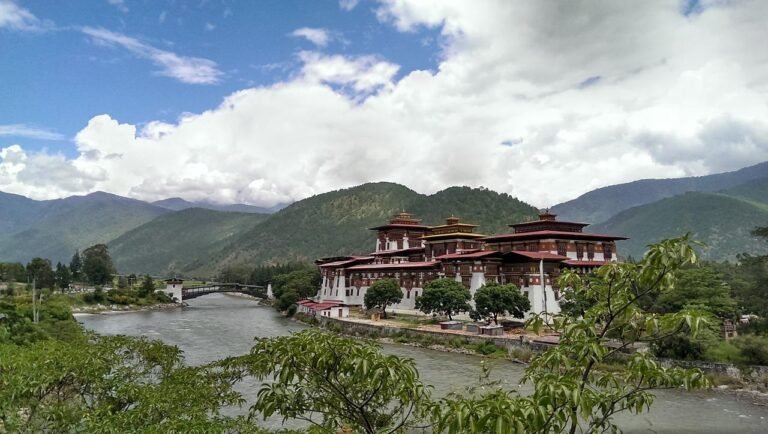

Nestled amidst the breathtaking landscapes of Bhutan, Punakha stands as a testament to the rich tapestry of the contry’s history and culture. With its majestic rivers and awe-inspiring mountains, this serene valley does more than simply captivate the eye; it offers a deep, tangible connection to the past. From the striking Punakha Dzong, where the sacred confluence of the Mo Chhu and Pho Chhu rivers cradles centuries of Bhutanese traditions, to the ancient temples and forts that dot the landscape, each historical site tells a unique story of resilience, spirituality, and the enduring spirit of its people.
In this article, we embark on a journey thru time, exploring the profound historical meaning of Punakha’s landmarks. We will delve into the narratives that have shaped Bhutan’s identity and provide insights into the architectural marvels that reflect the harmony between nature and humanity. Join us as we uncover the layers of history woven into the very fabric of this enchanting valley, evoking a sense of empathy and recognition for a culture that has thrived against the odds.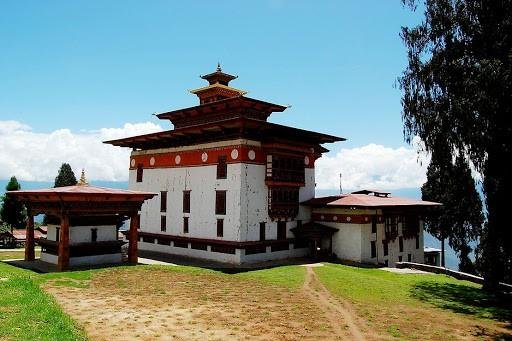
Exploring the Architectural marvels of Punakha’s Ancient Monasteries
Nestled within the breathtaking landscapes of Bhutan, Punakha is renowned for its ancient monasteries, each a testament to the rich cultural heritage and architectural ingenuity of the Himalayan kingdom. The most notable among them is the Punakha Dzong, often regarded as the crown jewel of Bhutanese architecture. This fortress-like monastery, strategically positioned at the confluence of the Pho Chhu and Mo Chhu rivers, showcases a stunning blend of traditional bhutanese design and intricate woodwork. Its golden roofs and elaborate murals evoke a sense of tranquility, making it a must-visit for any traveler seeking spiritual solace.
Along with the Punakha dzong, the region boasts several other remarkable monasteries that are lesser-known yet equally captivating:
- Sangchhen Dorji Lhuendrup Nunnery: Perched on a hillside, this nunnery offers breathtaking views of the valley along with a serene habitat for meditation.
- Chimi Lhakhang: Known as the fertility temple, this site attracts pilgrims and visitors alike, who come to seek blessings for family and prosperity.
- Namgyal Gewog: A hidden gem, this ancient monastery is steeped in history and showcases extraordinary craftsmanship in its artifacts and statues.
Punakha’s monasteries not only serve as places of worship but also as cultural repositories, housing centuries of Bhutanese art and spirituality. The walls of these magnificent structures are adorned with colorful frescoes illustrating the life of the Buddha and other significant historical events, inviting visitors to delve deeper into the mystical narratives that define this region. as you wander through their hallowed halls, you can truly feel the weight of history, an emotional connection to the past that resonates beautifully in every corner. The journey through these architectural marvels is one that fills travelers with a profound appreciation for Bhutan’s unwavering devotion to preserving its cultural heritage, making Gezify not just a travel guide but a window into the heart of this enchanting kingdom.
Below is a simple comparison table highlighting some key features of Punakha’s monasteries:
| Monastery | Main Attraction | Best Time to Visit |
|---|---|---|
| punakha Dzong | Stunning architecture and river views | Spring (March to May) |
| Sangchhen Dorji Lhuendrup Nunnery | Breathtaking valley views | Fall (September to November) |
| Chimi Lhakhang | Fertility blessings | Year-round |
immersing in the Rich Cultural Heritage and Local Traditions of Punakha
Punakha, the ancient capital of Bhutan, is a treasure trove of cultural heritage and traditions that continue to thrive amidst its stunning landscapes. The region is renowned for its vibrant festivals and rich tapestry of customs, thus offering visitors an immersive experience of Bhutanese life. Here, you can witness the breathtaking punakha Dzong, an architectural masterpiece that stands at the confluence of two rivers, serving not only as a seat of monastic governance but as a beacon of the country’s history. The punakha Tshechu, a yearly festival, showcases impressive masked dances, traditional music, and elaborate rituals that highlight the local community’s deep spirituality and devotion.
The people of Punakha are equally welcoming, eager to share their daily lives steeped in Bhutanese traditions:
- Culinary Delights: Savor local dishes like Ema Datshi, a fiery chili and cheese stew that has become a symbol of culinary pride.
- Handicrafts: Explore traditional crafts such as weaving and wood carving, frequently enough showcased in local markets.
- Religious Practices: Participate in morning prayers at monasteries, where rituals are deeply ingrained in the local culture.
For those seeking to understand the essence of Bhutan, a visit to local homes can be transformative. You might find yourself invited to share in traditional meals, learning about the customs that define Punakha’s people. Through intimate conversations, you can grasp the values of community, respect, and harmony that underpin their way of life. Here’s a brief overview of significant cultural events and practices that reflect the richness of Punakha’s heritage:
| Event/Practice | Description |
|---|---|
| Punakha Tshechu | A vibrant festival featuring masked dances and rituals that attract locals and tourists alike. |
| Archery Competitions | A cherished traditional sport that fosters friendly rivalry and community bonding. |
| Cultural Workshops | Opportunities for travelers to learn about traditional crafts and cooking from local artisans. |
Each experience in punakha resonates with the spirit of the region, making it an essential destination for anyone wanting to delve deeper into Bhutan’s cultural narrative. A journey through Punakha is not just a chronological exploration of historical sites but an invitation to embrace the living heritage that continues to shape the identity of its people today.
As we conclude our journey through the historical landscapes of Punakha, it is indeed clear that each site tells a story of resilience, culture, and spiritual significance. From the majestic Punakha Dzong to the serene beauty of Chimi Lhakhang, these landmarks offer a glimpse into Bhutan’s rich heritage. Visiting these places is not just about witnessing their beauty; it’s about connecting with a past that shapes the present. We invite you to explore Punakha, to walk in the footsteps of history, and to appreciate the vibrant tapestry of traditions that continue to thrive in this remarkable valley.